“Dang, those tickets are expensive,” says a friend who I routinely see enjoy several $8 beers and a $15 pack of smokes while out at the pub, “I thought they were going to be like $30.”
“You can’t even get a decent lunch for $30 quips another friend, “Fair,” the first one relents.
No one wants to know how the sausage gets made, but here I go again …
As we approach our 27th birthday party I ran across a flyer for our first show, and the ticket cost was $8. Of course we had no real expenses back then and no one was getting paid (I didn’t get paid for this job at all for the first 13 years I did it), but the number still hit hard compared to our current prices.
As other streams of revenue continue to dry up around us — corporate and foundation giving, government grants — and everything continues to get more expensive, we’re in a real bind: producing theater isn’t cheap, but someone has to pay the tab.
The logic among many right-minded people has always been “those people who appreciate the arts should be the ones to pay for it, not the regular taxpayer.” I’m not here to argue why that’s wrong-headed (let’s go out for one of those $8 beers and chat in person), but in the past two years we’ve lost all federal and state support, and the county support that has not adjusted for inflation in the 20something years we’ve been eligible for funding was cut by almost 35%. I have no other choice than to lean more and more on ticket sales. So, you know, for the most part those people who enjoy it are the ones paying for it right now.
 Sidebar: this also limits what I produce and how I produce it, gone are the days of taking Big Risks — on people, titles, ideas — because we may not survive them.
That we take control of what we can control means we’ve fully embraced dynamic pricing — when a show is hot, we eke out every dollar we can. As price rises, so does the percentage-based fees levied by Straz Center (which we don’t keep). Of course dynamic pricing doesn’t help us when a show isn’t selling tickets, so go back up to that sidebar …
But why do tickets cost so much? Well, without subsidization everything comes from the cost of the ticket and producing theater is more expensive than most folks think about. Roughly 60% goes to rents (rehearsal and performance space; storage for things like props, furniture, costumes). Another 10% on average goes to royalties to the authors. We have to pay for things like house managers and security and cleaning staff — keep in mind, we haven’t even built a set or paid a designer a fee much less paid the folks like actors and stage managers who have to be there every day. For actors and stage managers we’re paying them for 20 hours of work for 8-9 weeks, only half of which time are they earning any revenue in return (the other half of that time is spent rehearsing).
We are also incredibly thrifty compared to many of our colleagues. It’s not that we don’t want to spend more, we’ve just never had it to spend and have always privileged paying our artists better before increasing production values too high. It’s my belief that people need to be taken care of first, and that’s just a hill I’m going to die on.
Oh, and material costs have skyrocketed: lumber, textiles, hardware — you name it. The specialty backdrop we ordered for the last show was almost 2x the cost of the unit with the same specs purchased in 2019.
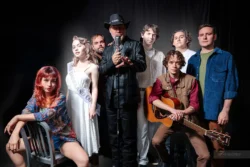
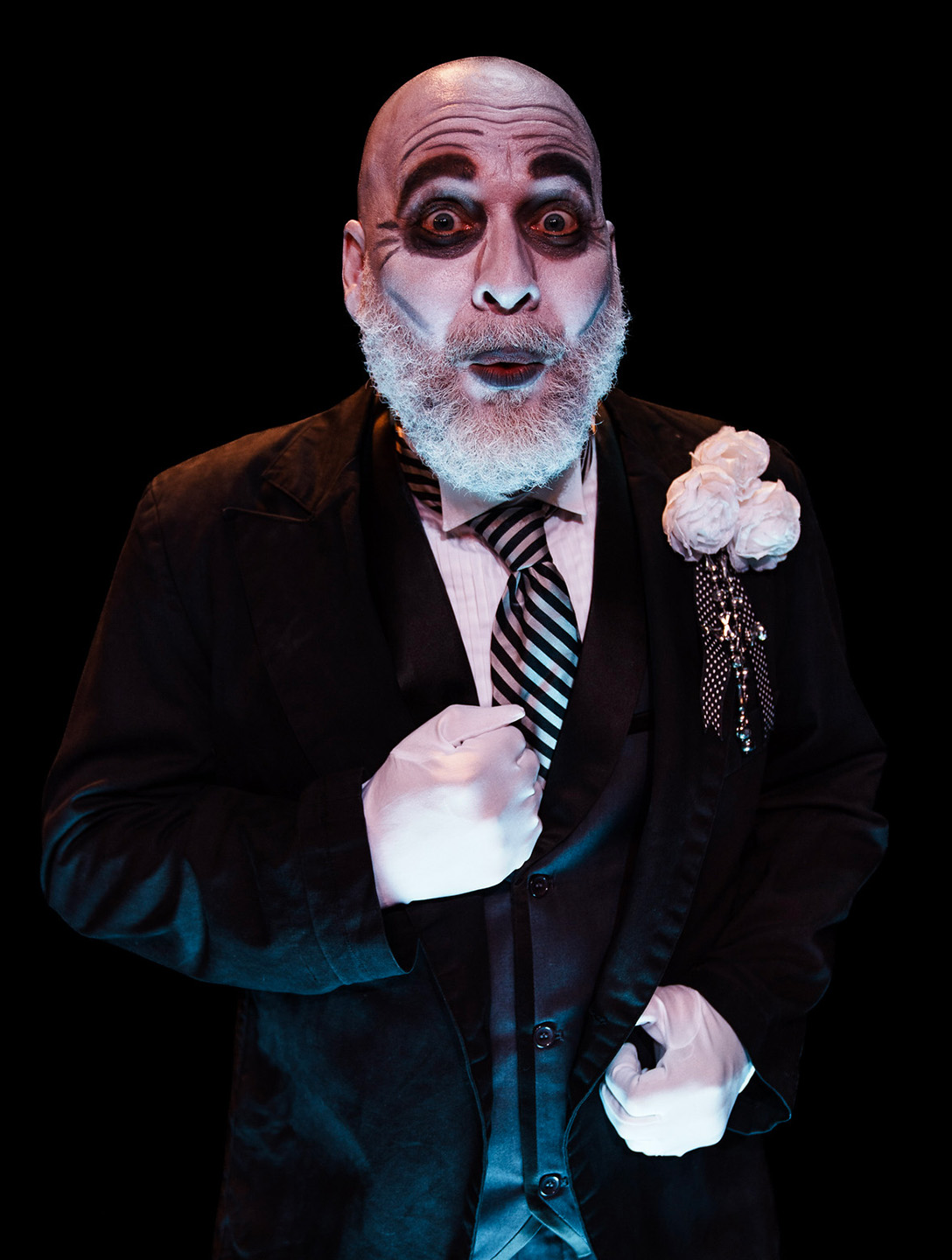
Math is math: for our most recent show, GHOST BROTHERS OF DARKLAND COUNTY, hard costs were around $95,000. In order to cover that from ticket sales alone we’d have needed to sell out all 17 performances with each seat priced at $57 before fees. Needless to say that did not happen, nor could it when you offer passholders entry for $28, free tickets to workers impacted by the shutdown, etc.
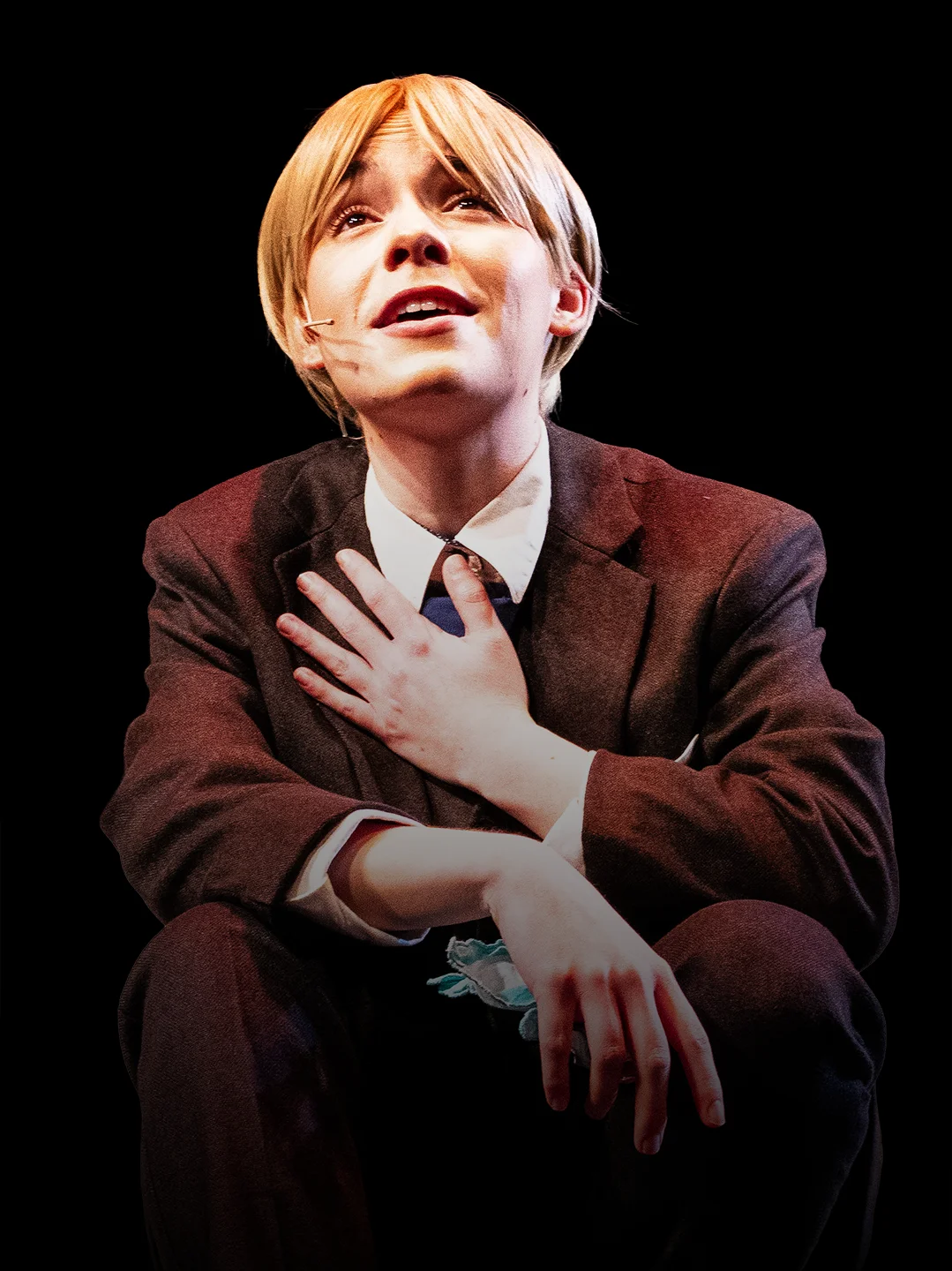
Hard costs on a show like PUFFS was more like $160,000. Again, keep in mind we’re holding a lot of stuff together with duct tape and WD-40 and no one is getting rich working for us, though our wages are in line with this regional market (but still nowhere near enough to live on).
My biggest fear right now? This is unsustainable. The arts were never meant to live off the gate. Even the lean government support we had in the post-lockdown 22/23 and 23/24 seasons reduced the burden on show-to-show budgets and so also how many people we had to get in the door and how much we had to charge them.
Folks are hurting, and that doesn’t help things. Many not hurting are scared things will get bad enough they’re going to hurt and so are also tightening up. Look, I get it.
This may just be me grousing, but the up-and-down nature of it all is also flat exhausting for someone in my position who IS the full time staff (there’s not enough around to pay help — I had a plan to hire a full-time administrator two seasons ago but the state had other ideas when they defunded the arts).
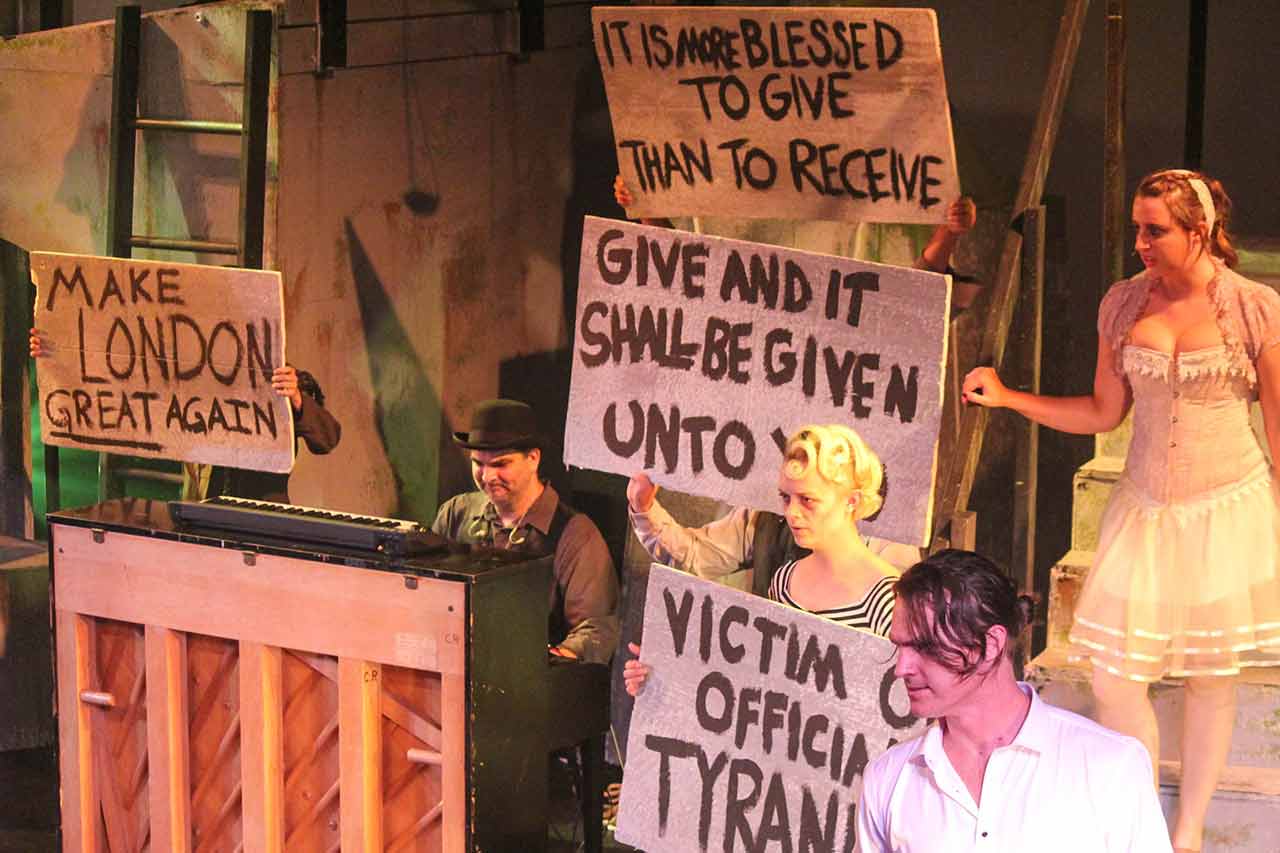
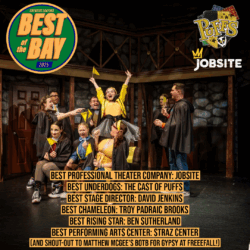 We can have a great summer with something like ROCKY HORROR, destroy all of our records and walk away with a nice reserve to have it wiped away with two hurricanes and a national election that soured the fall. We can have an exceptional summer with shows like PUFFS and (abridged) but it just takes one show where folks simply don’t turn out (the shutdown? economic fears?) the way history has always shown (when we’re not dodging a hurricane) and we’re right back to no reserves, terrified something else is lurking around the corner waiting to deliver a knock-out punch.
That we did have two great summers that counterbalanced disappointing falls is a relief, but can it be relied on?
I’m not trying to just grouse, I’m trying to provide context. Context why we need season pass sales — it’s faster, cheaper, and easier to get a pass sold than it is to sell a ticket to six individual shows on a cycle of every other month, even if we are selling them up to 80% off what we can get for them one-by-one.
The more passes sold the sooner we get into premium pricing, too. The one hand washes the other.
 Context why we’re so reliant on that dynamic pricing and why tickets to our “big show” in the Jaeb every summer seems to routinely get priced over $100 a pop. Someone has to pay for it.
Context why we need our fans to advocate for support of the arts at every level of government.
And, for those who have the means, context why we need direct support in the form of donations. I don’t get paid out of ticket sales — that’s for production costs and the artists of that particular show. The funds that come in from private donations go toward our annual campaign that takes care of my time and allows me to pay the three part-time/hourly workers who help me keep the company running. Without those funds, we’d have no other choice than to spread that overhead around into the show budgets, which of course would take away from what we have to pay artists and the production budget. Somebody has to pay for this.
It also helps fill in the gaps at box office when they happen, helping ensure that any one show’s budget deficit doesn’t force the next show’s budget to take a hit. Because, you know, at the end of the day somebody has to pay for this.
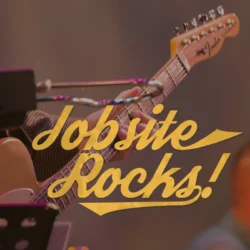 We have a $64,500 shortfall that we need to make up by Dec. 31. That’s a tall order, but I think we can pull it off. The two biggest ways you can help is through #GivingTuesday on Dec. 2 and Jobsite Rocks! on Dec. 6. Can we count on you?